Guides
How to Choose a Turnout Blanket for Changing Weather
Aug
Choosing a turnout blanket is less about finding one blanket for every day and more about matching protection to the conditions, the horse, and the way the horse is managed.
Start with the conditions
Consider rain, wind, temperature changes, and how long the horse will be outside. A waterproof outer can be useful in wet conditions, while the amount of insulation should reflect the weather and the individual horse rather than the season name alone.
Think about the horse
Age, body condition, coat, clipping, activity level, shelter, and access to forage can all affect comfort. Two horses in the same field may need different setups. Check the horse regularly instead of relying only on the forecast.
Prioritise fit and freedom of movement
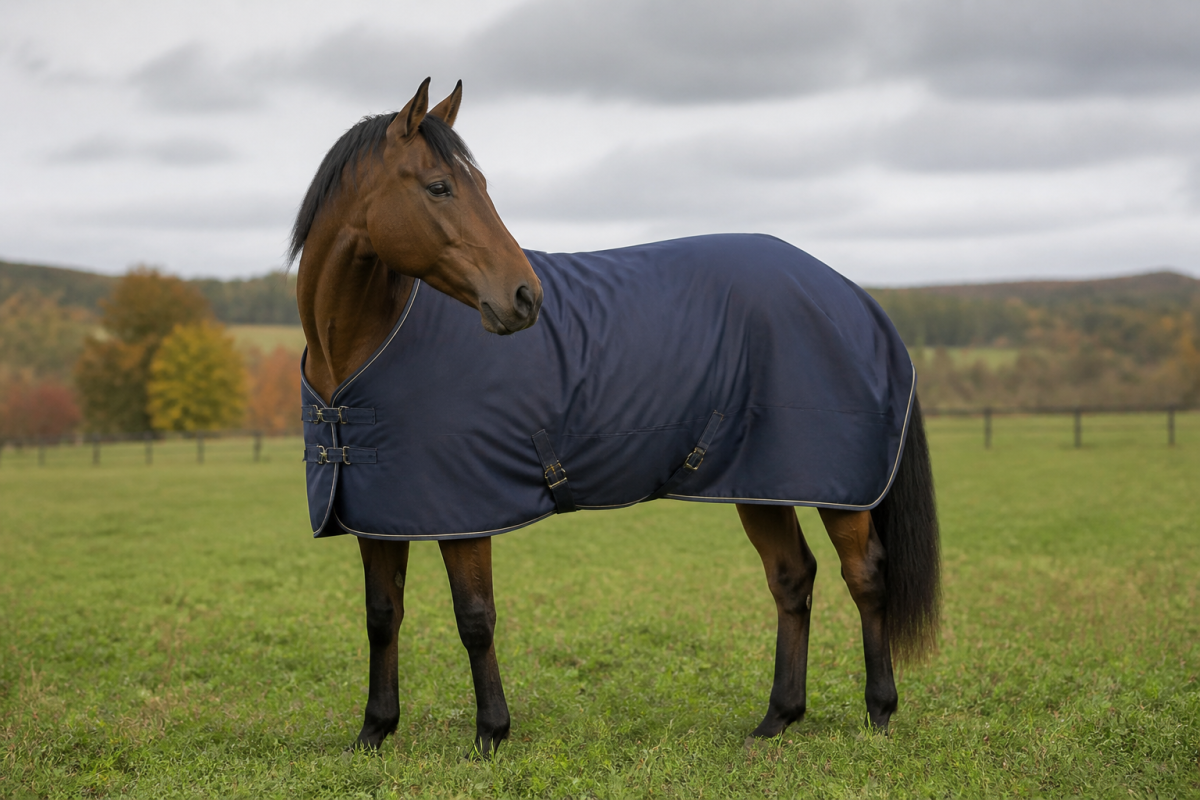
A turnout blanket should sit securely without restricting the shoulders or pulling across the chest. Check the neckline, chest closure, shoulder area, belly straps, and leg straps. The blanket should remain stable when the horse walks and grazes, without rubbing or creating pressure points.
Choose practical features
Look at the outer fabric, lining, closures, neck style, and whether compatible liners or neck covers are available. A modular setup can make changing conditions easier to manage, but only when every layer fits correctly.
Make daily checks part of the routine
Remove or lift the blanket regularly to check the horse and the inside of the blanket. Look for dampness, rubbing, broken fittings, trapped dirt, or changes in body condition. Clean and repair the blanket according to its care instructions so that waterproof and breathable materials continue to perform as intended.
This general guide is not a substitute for advice from a veterinarian or an experienced equine professional who can assess an individual horse.
